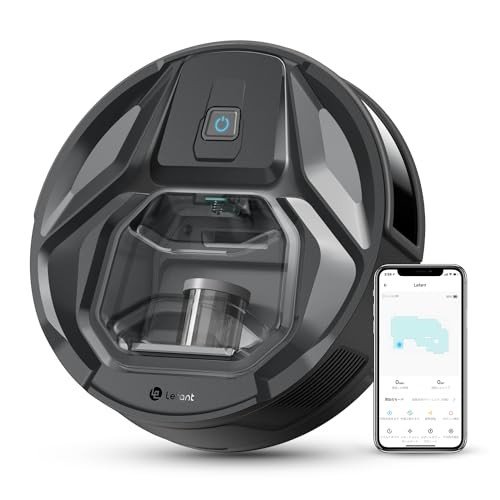
The Rise of Robot Hoovers and Mops: Revolutionizing Household Cleaning
In the age of quick technological improvement, the way individuals handle household chores has undergone a considerable transformation. Amongst the most ingenious solutions are robot hoovers and mops-- devices designed to automate the cleaning process, providing benefit, performance, and a level of cleanliness that can frequently surpass standard cleaning approaches. This short article checks out the functionality, advantages, and considerations of robot hoovers and mops, along with some regularly asked concerns.
What Are Robot Hoovers and Mops?
Robot hoovers, typically referred to as robotic vacuum, are autonomous devices that can navigate and tidy floorings without human intervention. Likewise, robot mops incorporate automated cleaning innovation but are designed to wet clean tough surface areas. Together, these gadgets represent a brand-new frontier in household cleaning, integrating engineering, artificial intelligence (AI), and sensor technology.
Performance of Robot Hoovers and Mops
The standard performance of robot hoovers and mops can be broken down into numerous crucial functions:
- Navigation and Mapping: Many modern-day robots come equipped with innovative mapping technologies, allowing them to produce a map of your home and efficiently navigate around challenges.
- Numerous Cleaning Modes: Users can pick from different cleaning modes, including area cleaning for concentrated areas, edge cleaning for corners, and set up cleaning for regular maintenance.
- Smart Connectivity: Many robot cleaners can link to Wi-Fi, allowing users to manage them through mobile phone apps and voice-activated assistants like Amazon Alexa or Google Assistant.
- Self-Charging: Most designs go back to their charging stations when their battery is low, guaranteeing they are constantly prepared for the next cleaning cycle.
Benefits of Robot Hoovers and Mops
The benefits of integrating robot hoovers and mops into your cleaning regimen are comprehensive:
- Time-Saving: Users can free up time that would otherwise be invested cleaning floorings. The robot can run while individuals address other tasks.
- Consistent Cleaning: These devices offer a constant clean by frequently arranged cleaning sessions, which reduces dirt and dust accumulation.
- Availability: For people with movement problems, robot cleaners can minimize the physical stress related to conventional vacuuming and mopping.
- Smart Features: The connection to mobile devices permits greater control and monitoring, guaranteeing cleaning routines can be tailored based upon user preference.
Considerations When Choosing a Robot Hoover or Mop
While robot hoovers and mops use a number of benefits, customers must think about particular elements before purchasing. These include:
- Floor Types: Not all robots are produced equivalent; some may perform much better on carpets, while others are optimized for hard floors.
- Battery Life: Assess the runtime of the device. Various models have differing battery durations that could affect their cleaning capabilities.
- Dustbin Capacity: A larger dustbin indicates less regular emptying; consider your cleaning requires to see which design offers the right capability.
- Maintenance Requirements: Like any appliance, robot cleaners need routine maintenance, including filter and brush replacement, to run efficiently.
Popular Robot Hoovers and Mops on the marketplace
When it pertains to choosing a robot vacuum or mop, several models are preferred for their efficiency and features. Below is a relative table highlighting some of the leading devices currently offered:
| Model | Type | Battery Life | Smart Features | Cost Range |
|---|---|---|---|---|
| iRobot Roomba 694 | Vacuum | Up to 90 minutes | App Control, Voice Command | ₤ 250 - ₤ 300 |
| Roborock S7 | Vacuum & & Mop As much as 180 minutes | Mapping, App Control | ₤ 400 - ₤ 550 | |
| Ecovacs Deebot Ozmo T8 | Vacuum & & Mop | Up to 180 minutes | Advanced Mapping | ₤ 600 - ₤ 700 |
| Shark IQ Robot | Vacuum | Up to 90 min | Self-Emptying, App Control | ₤ 400 - ₤ 600 |
| Neato D7 | Vacuum | Up to 120 min | D-shape for Edges, Mapping | ₤ 600 - ₤ 700 |
Keep in mind: Prices are approximate and subject to change based upon retailer promos and accessibility.
Frequently Asked Questions about Robot Hoovers and Mops
1. Can robot hoovers and mops manage pet hair?
Yes, most robot vacuums and mops are designed with effective suction and special brushes to successfully manage animal hair. For best automatic vacuum cleaner , choose models specifically created for homes with pets.
2. How often should I run my robot cleaner?
This depends on your household's cleaning needs. For hectic families, running the robot daily may be helpful, while less active homes might manage with 2 to 3 cleansings a week.
3. Do robot hoovers and mops work on carpets?
Lots of robot vacuum designs are effective on carpets; however, the efficiency may vary. Models with more powerful suction abilities are much better suited for tackling dirt and animal hair embedded in carpets.
4. auto hoover mops efficient on sticky floorings?
Robot mops can manage light stains and spills, however their efficiency on sticky floors mostly depends on the type of stain and the cleaning option used. Harder discolorations might require manual scrubbing.
5. How do I keep my robot cleaner?
Regular upkeep consists of clearing the dustbin, cleaning the brushes, and changing filters as recommended by the maker. Frequently guarantee that sensing units are clear from dust and particles.
Robot hoovers and mops have ushered in a brand-new era of convenience in family cleaning, combining technology with practicality. While they do not totally change standard cleaning approaches, they work as valuable assistants that can significantly decrease the time and effort needed to maintain a tidy home. As innovation continues to advance, consumers can anticipate much more ingenious functions that will improve the performance and effectiveness of robotic cleaners, making them an important part of modern-day home management.